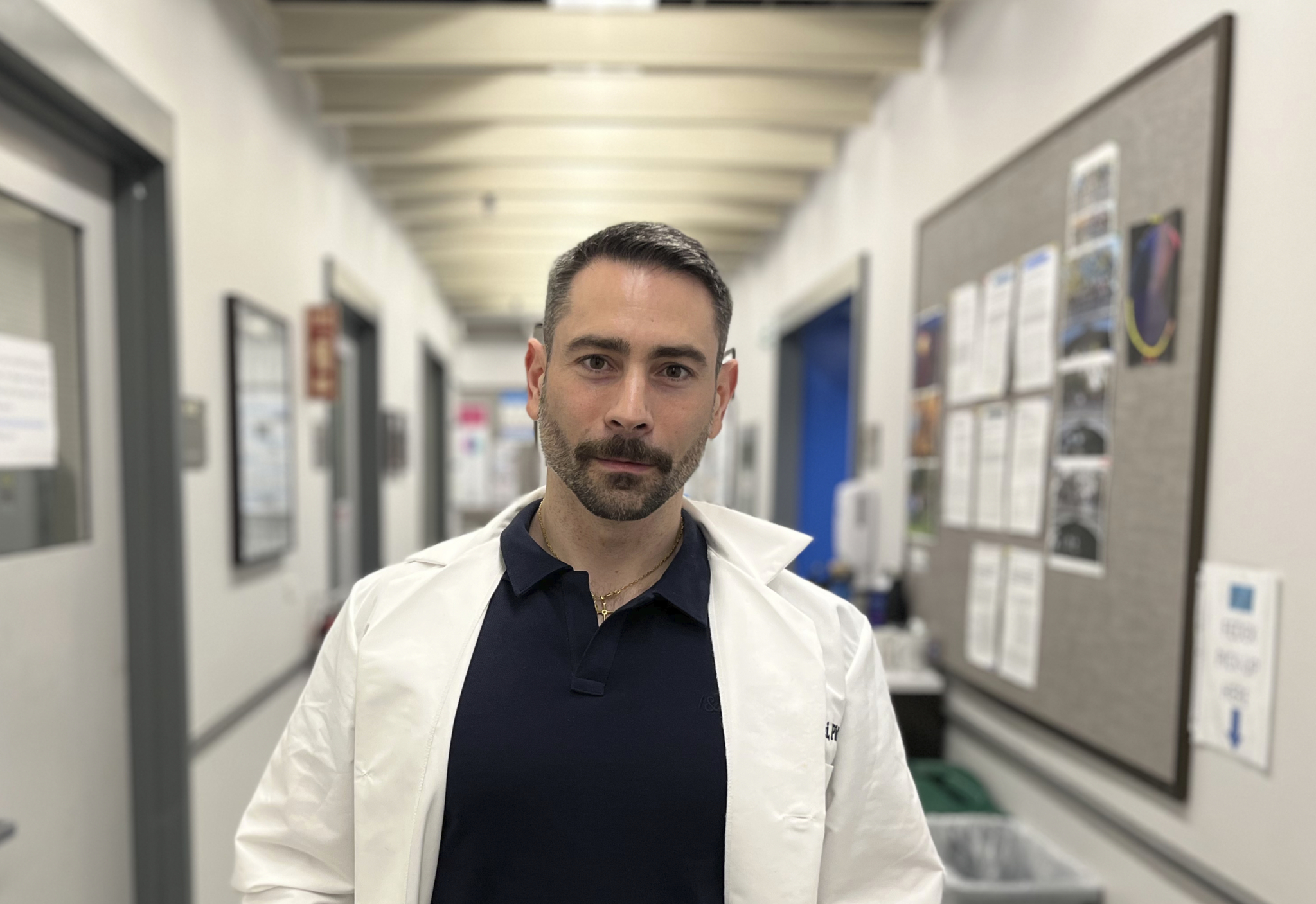
Peter Thompson, M.D., is a General Partner of OrbiMed, with over 30 years of industry experience.
He held executive positions at Becton-Dickinson and Chiron, co-founded and was CEO of Trubion Pharmaceuticals, co-founded Corvus Pharmaceuticals, Cleave Biosciences, Silverback Therapeutics, Edgewise Therapeutics, Terremoto Biosciences and serves as a Director on several public and private company boards. Dr. Thompson is an Ernst & Young Entrepreneur of the Year awardee, an Affiliate Professor of Neurosurgery at the University of Washington, an inventor on numerous patents and a board-certified internist and oncologist.
He was on staff at the National Cancer Institute following his internal medicine training at Yale University.

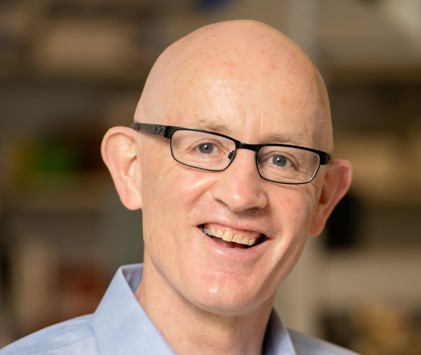
Jim Sullivan, Ph.D., is CEO of Vanqua Bio a company focused on the development of novel therapeutic agents for neurological conditions including Parkinson’s disease.
He is also a Venture Partner with Orbimed. Previously, he was the Vice President of Research at Abbvie where he was responsible for AbbVie’s research efforts in a variety of therapeutic/disease areas including oncology, immunology, neurology, hepatitis C and cystic fibrosis. Jim has advanced more than 100 compounds into clinical development across a number of disease states and technology platforms. These include products on the market for HCV (Mavyret and Viekira), the first-in-class Bcl2 selective inhibitor, Venclexta for hematological cancers, a new oral agent for patients with rheumatoid arthritis, RINVOQ, and multiple compounds currently in Phase II or III clinical trials. He has authored/co-authored more than 130 scientific publications and is an inventor on 11 patents.
Jim is an adjunct faculty member at Northwestern University and serves on the board of a number of companies and foundations including Regis Technologies, Hibercell, MATTER Healthcare Incubator, Chicago Biotechnology Accelerator and the Pistoia Alliance. He earned his bachelor’s degree and Ph.D. in biochemistry from Trinity College Dublin and conducted post-doctoral research in neurobiology at Northwestern University.

Peter Lansbury was born in 1958 and grew up in Buffalo, NY. He received his AB (cum laude) in chemistry from Princeton University in 1980 and subsequently received his PhD in organic chemistry from Harvard University in 1985 under the direction of Nobel laureate E. J. Corey.
His postdoctoral fellowship was spent at the Rockefeller University, working with the late Tom Kaiser. In 1988, he accepted a position as assistant professor of chemistry at MIT, and was promoted to associate professor in 1993. He moved to his current position at the Center of Neurologic Diseases in 1996, and was promoted to Professor of Neurology at Harvard Medical School in 2004. During this time, he founded to Laboratory for Drug Discovery in Neurodegeneration and the Morris K. Udall NIH Parkinson’s Disease Research Center of Excellence at Brigham and Women’s Hospital, which he directed for ten years. He was the founder of Link Medicine, and served as its Chief Scientific Officer from 2005 until its sale to AstraZeneca in 2012. At Link, he and his team advanced a small molecule through phase 1b study in Alzheimer’s disease. He served as Chief Scientific Officer of Lysosomal Therapeutics, Inc. from it’s founding in 2013 until its sale in 2021 to Bial Pharma. During this time, he and his team developed a brain-penetrant, safe, and well-tolerated glucocerebrosidase allosteric activator for the treatment of GBA1-PD, a genetic subtype of Parkinson’s disease. This compound is currently in clinical trials for modification of GBA-PD progression. Peter currently serves on the Scientific Advisory boards of Aliada Therapeutics, Lucy Therapeutics, and Vincere.
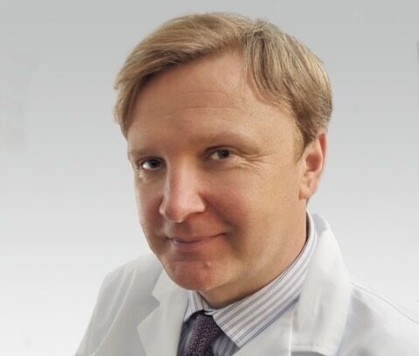
Dimitri Krainc, M.D., Ph.D. currently serves as the Aaron Montgomery Ward Professor and Chairman of the Department of Neurogenetics at Northwestern University, Feinberg School of Medicine in Chicago.
Previously, he spent over two decades at Massachusetts General Hospital, Harvard Medical School where he completed his research and clinical training and served on the neurology faculty. Dr. Krainc founded two biotech companies that develop targeted therapies for neurodegenerative disorders. He in an elected member of the American Neurological Association, The Association of American Physicians, and the National Academy of Medicine.

Karl Kieburtz MD MPH is a Professor of Neurology at the University of Rochester, and President of Clintrex Research Corporation. He was the founding Director of the Center for Health & Technology, the initial Robert J. Joynt Professor in Neurology, and served as the Senior Associate Dean for Clinical Research and Director of the Clinical & Translational Science Institute in Rochester.
Dr Kieburtz’s primary research interest is novel therapeutics for neurodegenerative diseases. He led the NINDS sponsored trials of neuroprotective agents for PD (NET-PD), and served as the Chair of the Executive Committee of the Parkinson Study Group. He previously served on and chaired the FDA Advisory Committee on Peripheral and Central Nervous System Disorders. In 2009, he was one of the co-founders of Clintrex Research Corporation which has collaborated with over 150 organizations developing products for brain and neurological disorders.
He received his BA in Neuroscience from Amherst College. He completed his MD and MPH degrees at the University of Rochester, as well as his Neurology training and Fellowship in Experimental Therapeutics.
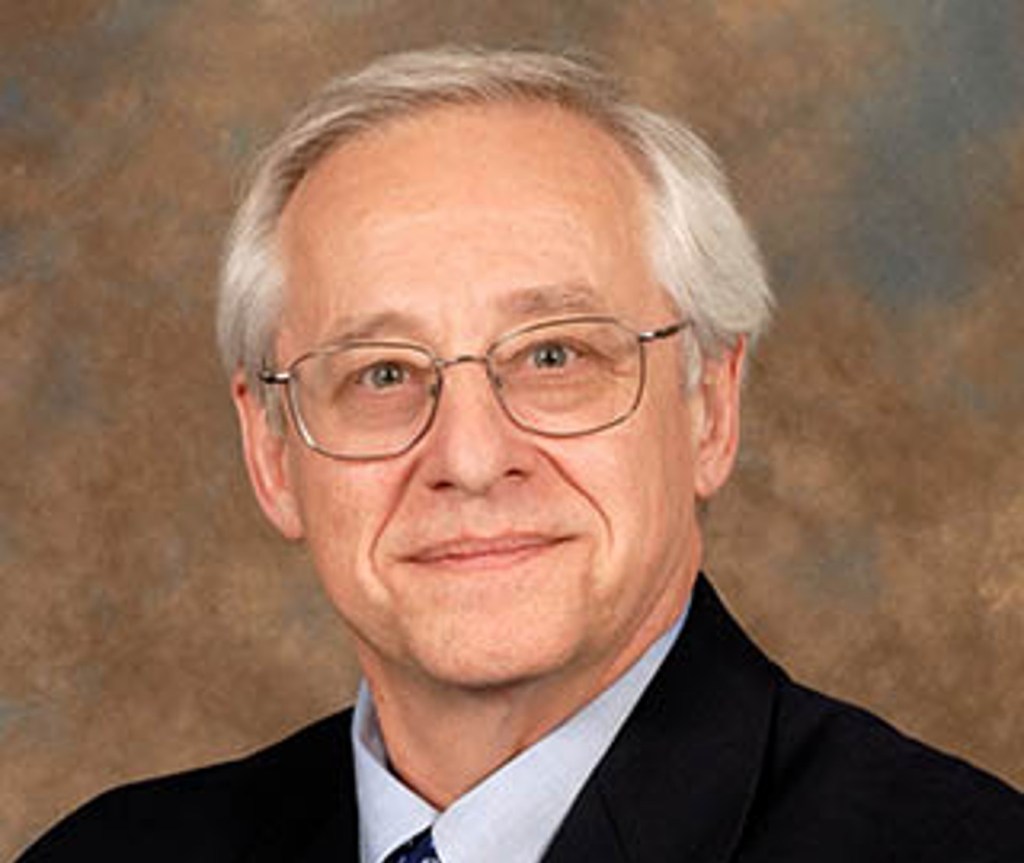
Dr. Grabowski is Professor Emeritus of Pediatrics and Genetics at the Cincinnati Children’s Hospital Research Foundation, and Chief Scientific Officer of Kiniksa Pharmaceuticals. He most recently served as Chief Scientific Officer of Synageva BioPharma, before its acquisition by Alexion in June 2015.
Prior to that, Dr. Grabowski spent over 20 years at Cincinnati Children’s Hospital Medical Center, where he was the A. Graeme Mitchell Chair of Human Genetics and Director of Human Genetics at the Children’s Hospital Research Foundation.
He was also a Professor in the Departments of Molecular Genetics and Biochemistry, and Pediatrics, at the University of Cincinnati College of Medicine. Previously, Dr. Grabowski spent 13.5 years at the Mount Sinai School of Medicine, where he developed the world’s largest clinic for patients afflicted with Gaucher disease and other lysosomal diseases. He established basic research and diagnostic laboratories for genetic diseases as well as the first treatment center for enzyme therapy in Gaucher disease.
Dr. Grabowski received his M.D. from the University of Minnesota where he also completed his residency in Pediatrics and fellowship training in Human Genetics. During his research career, he has published over 330 scholarly works on the basic and clinical sciences of lysosomal storage and genetic diseases, while maintaining active clinical and treatment programs for genetic diseases.

Dr. Carrolee Barlow, M.D., Ph.D., B.A., has been Chief Executive Officer of The Parkinson’s Institute since March 5, 2013. Dr. Barlow most recently served as the Chief Scientific and Medical Officer of BrainCells, Inc. a company she joined in 2004.
She also served as the Director of Molecular Neuroscience and the Therapeutic Area Head for Stroke and Neurodegeneration at Merck Research Laboratories, a company she joined in 2002.
Prior to joining Merck, she held a faculty position in the Laboratory of Genetics at the Salk Institute for Biological Studies in La Jolla, California, where she maintained an adjunct appointment. She served as a Scientific Advisor of Bionomics Ltd. until September 22, 2016. At the Salk Institute, her research laboratory focused on developing animal models of human neurological disease.
Dr. Barlow received her M.D. from the University of Utah followed by a residency at The New York Hospital, Cornell Medical Center in Internal Medicine. She obtained a Ph.D. in molecular and developmental biology at the Karolinska Medical Nobel Institute in Stockholm, Sweden. She completed medical subspecialty training in the field of endocrinology at the NIH and a post-doctoral fellowship in neurogenetics at the National Human Genome Research Institute.
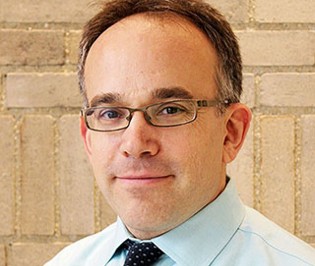
Roy Alcalay is chief of the Movement Disorders Division at Tel Aviv Sourasky Medical Center in Tel Aviv, Israel. He moved from Columbia University in 2021 where he holds a part time Associate Professorship.
He obtained his medical degree from Tel Aviv University, Israel, his neurology training from the Harvard University residency program at Massachusetts General Hospital and Brigham and Women’s Hospital, and his movement disorders training at Columbia University. He earned a Master’s in biostatistics (Patient Oriented Research track) from Columbia University. His research focuses on biomarkers and genetics in Parkinson’s disease.
In addition to serving on the advisory board of the Silverstein Foundation for GBA/PD, he also serves on the advisory board of the Parkinson’s Foundation and he is a member of the Michael J. Fox Foundation (MJFF) PPMI steering committee. His work is supported by the National Institutes of Health (NIH), the Parkinson’s Foundation and the MJFF.
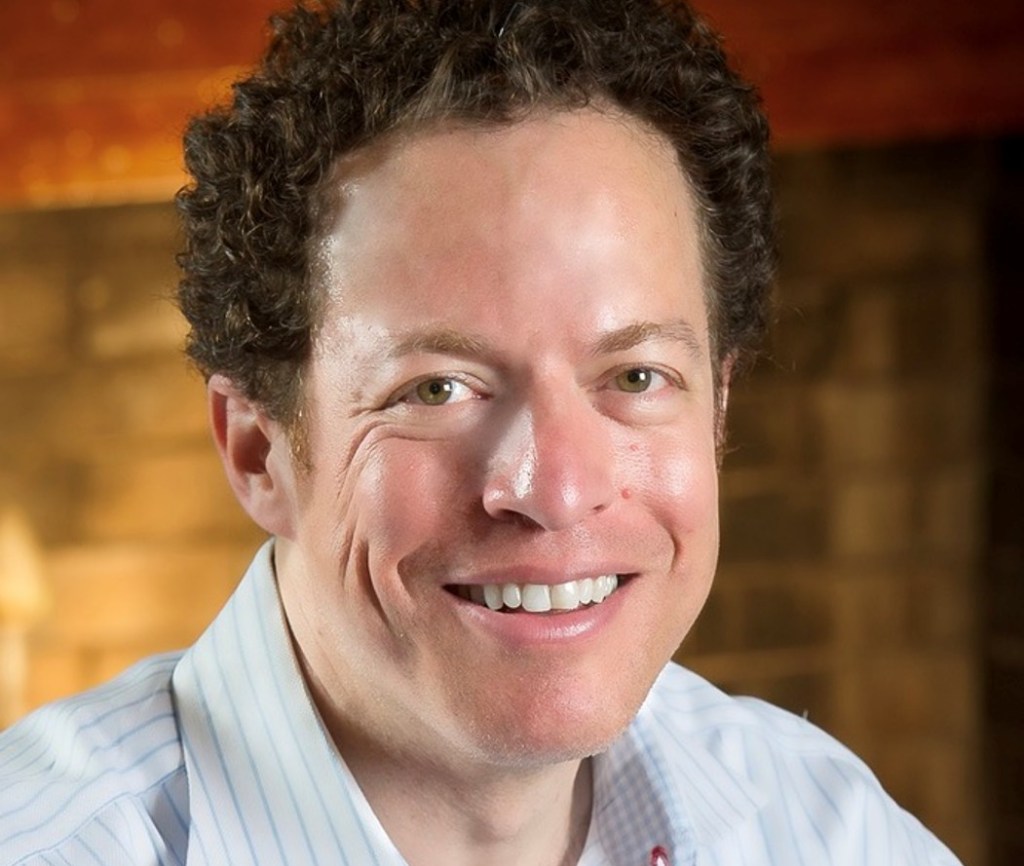
Asa Abeliovich is currently CEO, President and Founder of Leal Therapeutics, which is a near-clinical biotechnology company developing novel nucleic acid and small molecule therapeutics for major neurodegenerative and neuropsychiatric disorders.
Prior to Leal Therapeutics, Asa Abeliovich was Chief Executive Officer and Founder at Prevail Therapeutics, which develops gene therapies for Parkinson’s disease and related disorders, until its acquisition by Eli Lilly in 2021, and was Co-Founder of and consultant to Alector, a biotechnology company which is developing antibodies for the treatment of neurodegenerative diseases. Asa was previously a tenured Associate Professor of Pathology, Cell Biology, and Neurology at Columbia University, as well as a member of the Taub Institute for Alzheimer’s Disease and the Aging Brain. He has also previously served as an Attending Physician in Neurology at the New York-Presbyterian Hospital and the New York Psychiatric Institute. Asa was awarded the Lamport Award for Excellence in Basic Science Research at Columbia University in 2005. Asa is on the Scientific Advisory Board of The Silverstein Foundation for Parkinson’s with GBA.
Asa holds M.D. and Ph.D. degrees from Harvard Medical School and the Massachusetts Institute of Technology (MIT), respectively, and Bachelor’s degrees in life sciences and humanities from MIT. Asa was awarded a Medical Scholar Training Program Fellowship and completed his residency training in neurology at the University of California, San Francisco.
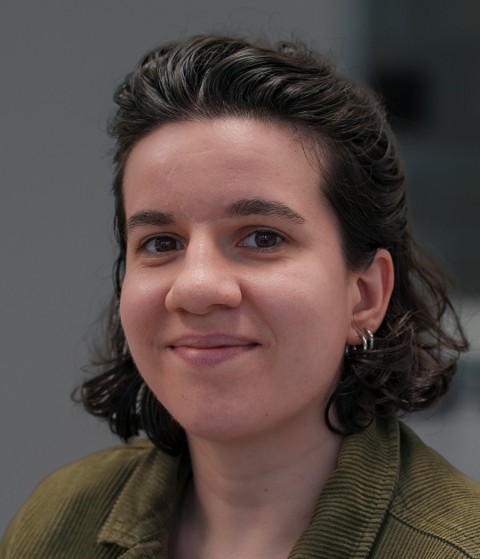
Giulia Pedrotti is a postdoctoral researcher at the Institute for Biomedicine of Eurac Research, in Bolzano, Italy. She holds a bachelor’s degree in biotechnology, and a Master’s degree in Molecular and Medical Biotechnology. During her PhD in Neuroscience, performed at the University of Verona, she focusedon neurodegenerative and neurodevelopmental disorders. In particular, she worked on drug repurposing in the context of an orphan rare mitochondrial disease, Leigh Syndrome. Currently, she is working in the group led by Dr. Irene Pichler and Dr. Andrew Hicks, using different neuronal cellular models to study how GBA1 mutations disrupt mitochondrial lipid composition and affect cellular energy metabolism. She is also working on testing novel interventional approaches to rescue mitochondrial function in the models.
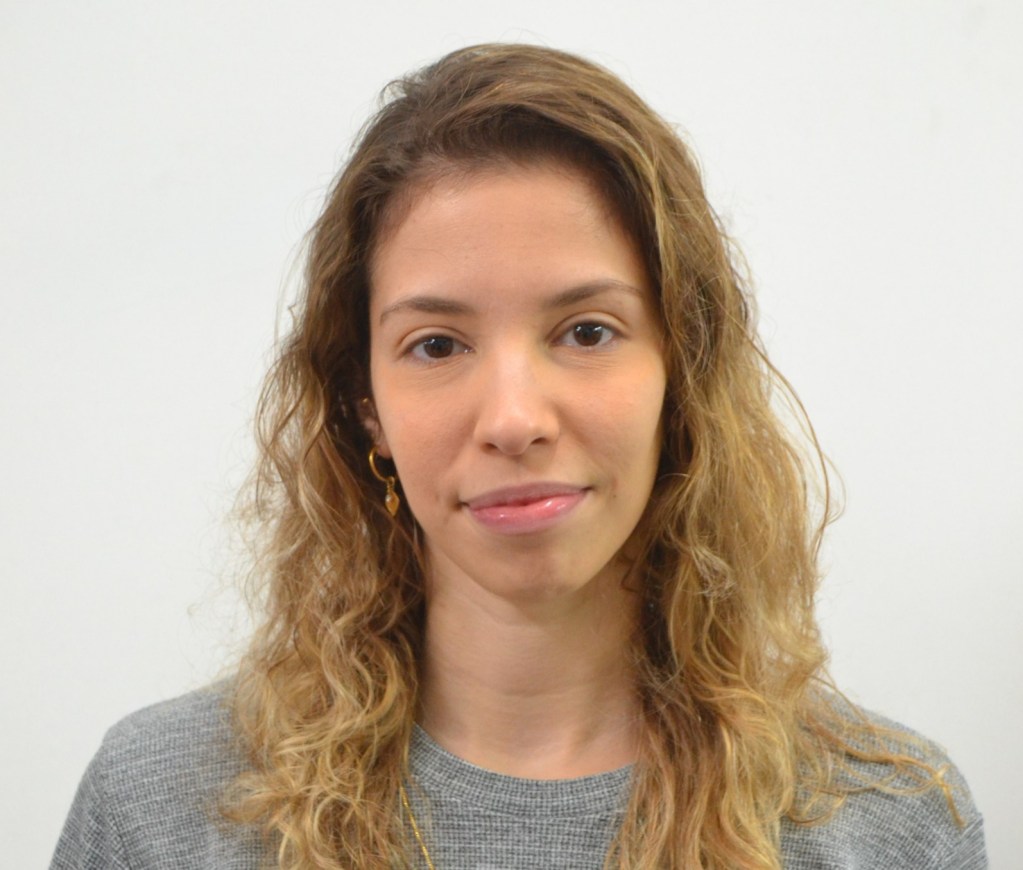
Shachar Shani is a post-doctoral researcher at Tel Aviv Sourasky Medical Center and Tel Aviv University. Her work will focus on genetic modifiers of Parkinson’s risk in GBA1 carriers. She earned her bachelor’s degree in biology and psychology at Ben-Gurion University of the Negev, and her master’s degree in neuroscience at Tel Aviv University. Shachar is currently pursuing her Ph.D. at the Faculty of Medical and Health Sciences at Tel Aviv University. Her doctoral research focuses on understanding the role of immune system genetics in Parkinson’s disease, combining bioinformatics, genomic analysis, and cloud-based computational platforms.
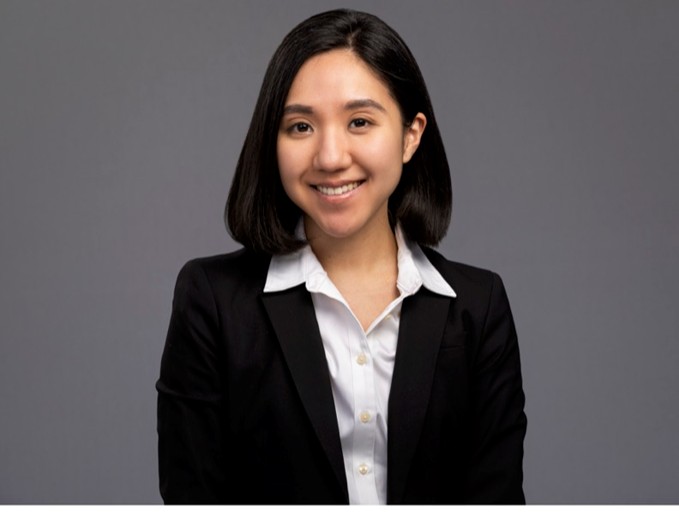
Dr. Jade Park completed her medical degree from Sidney Kimmel Medical College (Philadelphia) and Neurology residency at Rush Medical Center (Chicago). She is pursuing her Movement Disorders Fellowship training at Mount Sinai Beth Israel in New York City with the goal of becoming a clinical translational researcher with focus on GBA-PD. Her research project will include determinants and trajectories of cognitive decline in GBA-PD, both ones that may be protective and deleterious. She will work closely with her clinical research advisor, Dr. Rachel Saunders-Pullman as well as with the collaborating mentors, Drs Steffany Bennett at the University of Ottawa, Dr. Towfique Raj at Mount Sinai, and Dr. Laurie Ozelius at the Massachusetts General Hospital.

Sydney Reitz is a Postdoctoral Research Fellow in the Nuber lab at Brigham and Women’s Hospital, where she investigates the role of fatty acid metabolism in Parkinson’s Disease pathology and α-Synuclein biology. She earned her PhD in Neuroscience from Washington University in St. Louis, focusing on age-related neuroinflammation following traumatic brain injury. Sydney has developed novel immunohistochemical techniques for studying neurodegenerative disease, contributing to significant advancements in the field. Her research combines expertise in lipid metabolism and neuroinflammation, aiming to uncover therapeutic approaches for Parkinson’s Disease and related disorders.

Oriol Narcis is an Instructor at the Raj Lab within the Icahn School of Medicine at Mount Sinai, New York. He earned his PhD from the Universidad de Cantabria and focuses on unraveling the complexities of the immune system—both innate and adaptive—in Parkinson’s disease, with a particular emphasis on GBA1-associated Parkinson’s. His research spans multiple layers of biological data, from genomics to transcriptomics (including bulk and single-cell RNA sequencing) and proteomics, aiming to discover fluid biomarkers that could offer new insights into disease mechanisms and therapeutic targets.

Manoj Kumar is an Assistant Professor in the Department of Microbiology and Immunology at the University of Maryland. His research focuses on understanding the molecular mechanisms of Parkinson’s disease and exploring potential therapies. He uses patient-derived microglia and dopaminergic neurons to study neuroinflammation and protein aggregation in Parkinson’s disease. The goal of his research is to prevent the death of dopamine neurons in Parkinson’s disease through early detection and intervention.

Jinghan Zhao is a Ph.D. student at Baylor College of Medicine. Under the mentorship of Dr. Joshua Shulman, her research focuses on studying Gba1b, the fly ortholog of GBA1, and its relationship to neurodegenerative diseases, especially Parkinson’s disease. Jinghan’s work aims to uncover new insights into genetic interactions and molecular pathways involved in these conditions. She is passionate about advancing the understanding of disease mechanisms through innovative genetic research.
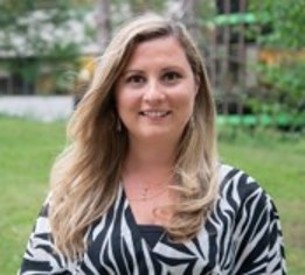
Irina Alecu is a lipid biochemist and Silverstein Fellow working with Prof. Michael Schlossmacher and Prof. Steffany Bennett at the University of Ottawa. Her work focuses on developing novel liquid chromatography-mass spectrometry methods to understand the mechanistic role played by lipids in Parkinson’s disease, as well as to develop diagnostic and prognostic lipid panels. Dr. Alecu earned her PhD from the University of Zurich during which she discovered previously unidentified lipids and elucidated a novel metabolic pathway of 1-deoxysphingolipids, toxic lipids thought to be dead-end metabolites. Dr. Alecu has received a number of fellowships and grants including a Swiss National Science Foundation Scientific Exchange Grant, a Parkinson Research Consortium Crabtree Family Fellowship, and a Japan Society for the Promotion of Science Fellowship.
Gadi Maayan Eshed is a certified neurologist and a movement disorders fellow at Tel Aviv Sourasky Medical Center. His research focuses on genotype-phenotype in Parkinson’s disease, including deep brain stimulation studies and immune phenotyping in GBA1 mutations carriers with and without Parkinson’s disease.
Daan van Kruining is a Postdoctoral Silverstein Fellow at the University of Oxford, UK, in the lab of Prof. Frances Platt and in collaboration with Prof. Mina Ryten at the University of Cambridge. He holds a master’s degree in Fundamental Neuroscience and gained international research experience in Fukuoka, Japan, before completing his PhD at Maastricht University, where he studied lipids as biomarkers for Alzheimer’s disease. His current research focuses on sphingolipid metabolism in Parkinson’s disease (PD), particularly in the context of glucocerebrosidase (GBA) mutations. Daan leverages advanced HPLC methods to measure glycosphingolipids and uses bioinformatics to explore the expression of enzymes and cofactors involved in sphingolipid metabolism in GBA-PD.
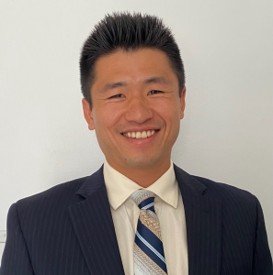
Casey Young is a clinical-translational fellow at Mount Sinai in New York. His GBA1 clinical research is focused on deep phenotyping of PD with and without GBA1 variants with the goal to improve understanding of disease progression, with a focus on biomarker development, particularly related to sphingolipids and RNA expression, as well as response to therapies. He is collaborating with the Bennett Neurolipidomics Research group (University of Ottawa) to analyze how motor and non-motor clinical features intersect with sphingolipid abundances, and with the Raj lab (Mount Sinai) to integrate these clinical factors with monocyte RNAseq and single cell seq data. Dr. Young received his medical degree from the University of Hawaii in 2019, then completed his neurology residency at the Neurological Institute, Columbia University- New York Presbyterian. His clinical research fellowship and training is led by Drs. Rachel Saunders-Pullman and Susan Bressman.
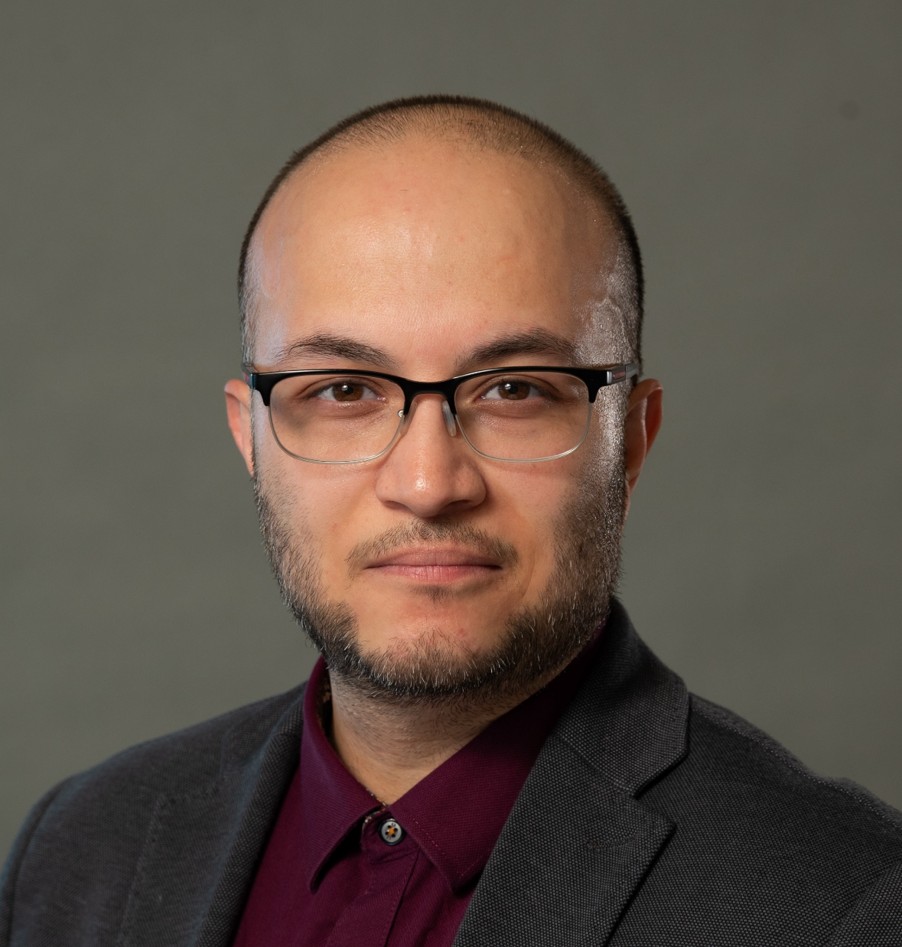
Bernabe Bustos earned his PhD in Molecular Biosciences from Universidad Andrés Bello in Chile in 2017. He is currently a Postdoctoral Research Fellow in Dr. Dimitri Krainc’s laboratory at Northwestern University’s Neurology Department in Chicago, Illinois. His research focuses on understanding the genetic basis of neurodegenerative diseases, particularly Parkinson’s disease (PD). At Northwestern, he has studied the role of rare damaging variants in PD, the contribution of short tandem repeats to PD risk at a genome-wide level, and the impact of variant-variant interactions (epistasis) on PD susceptibility. Currently, as a Silverstein Fellow, he is focusing on sporadic PD cases with genetic signatures similar to GBA1-PD patients, aiming to select them for clinical trials to assess potential benefits from GBA1-based therapies.

Areej Mesleh is a postdoctoral researcher with expertise in neurodegenerative and neurodevelopmental disorders. She graduated with distinction from Qatar University in 2017 and completed her master’s degree in 2019 at Hamad Bin Khalifa University, where she investigated neuroinflammation in Parkinson’s disease. Mesleh earned her Ph.D. in 2023, focusing on proteomics in autism spectrum disorder. She is currently working on developing conformation-specific nanobodies against alpha-synuclein as a potential diagnostic and therapeutic tool for Parkinson’s disease.
Aleksandra Levina was born in Riga, Latvia. She earned her Bachelor’s degree in Cell biology from the University of Montpellier in France, and her Master’s degree in RNA Biochemistry from Sorbonne University in Paris. Aleksandra received her PhD in Structural biology and Biochemistry under the mentorship of Prof. Thomas Leonard at the Vienna University in Austria. Her PhD work focused on investigating the mechanism of activation of PDK1 enzyme, a central player in the insulin signaling pathway. Currently, she is a postdoctoral researcher at Stanford University in the lab of Prof. Monther Abu-Remaileh. Her research is focused on exploring the molecular effects of the loss of GBA1 on lysosomal metabolism.
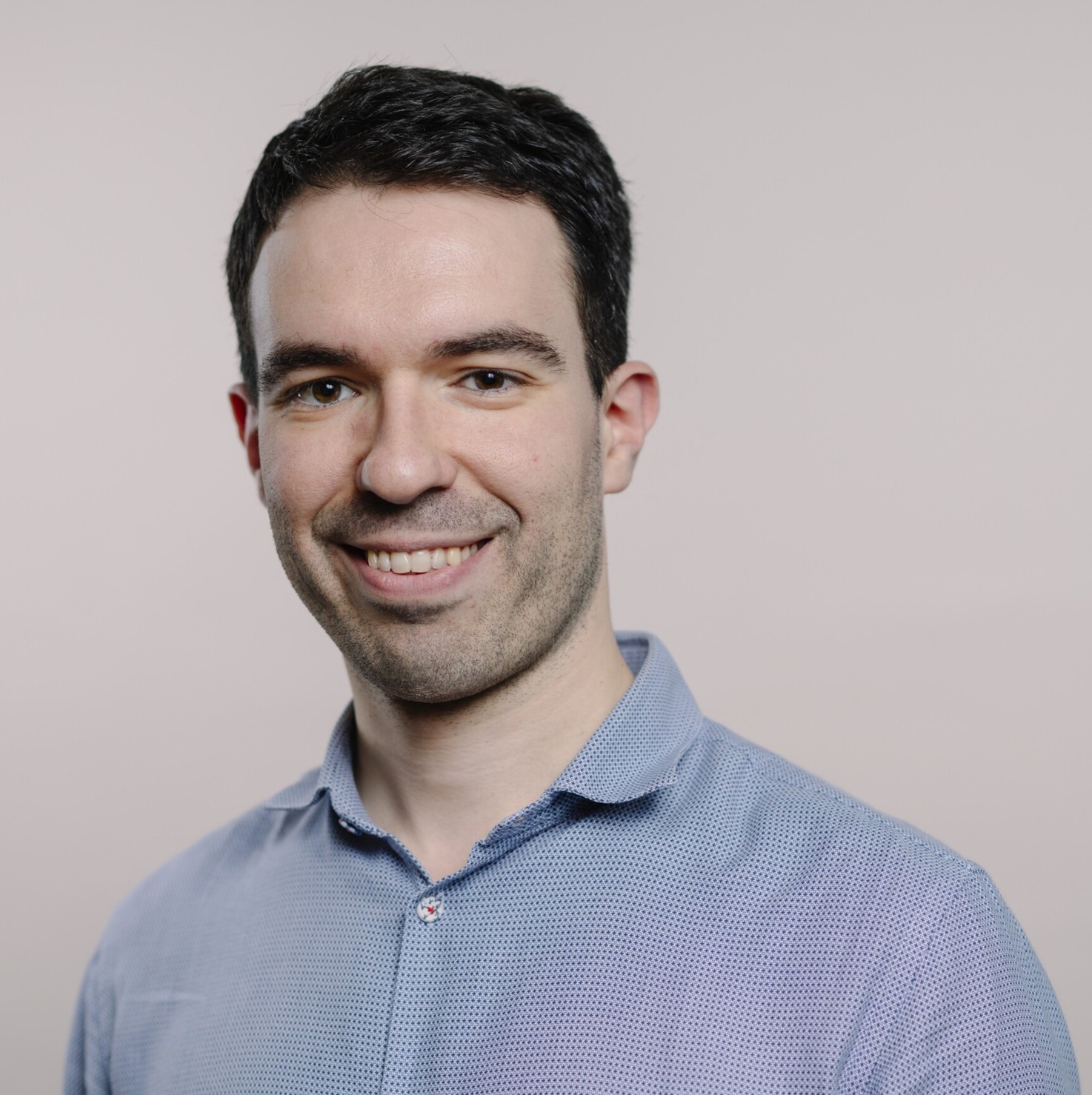
Alberto Imarisio is a neurologist with a strong expertise in the molecular mechanisms underlying neurodegenerative diseases. He completed his residency in Neurology at University of Brescia, Italy, and then earned his PhD under the mentorship of Prof. Enza Maria Valente at University of Pavia, Italy. His research is focused on the identification of novel blood biomarkers to enable precision medicine strategies in sporadic and GBA-related Parkinson’s disease, with a keen interest on mitochondrial and metabolic dysfunction.

Julia Billups is a Postdoctoral Research Fellow in the Fanning lab. She received her B.A. in Neurobiology from Boston University in Boston, MA and her Ph.D. in Integrative and Biomedical Physiology from Pennsylvania State University in University Park, PA. She has experience with targeted liquid chromatography with tandem mass spectrometry and has used in vitro and in vivo models to study neurodegenerative disease. Julia’s research now focuses on lipid metabolism in cell models of PD, patient-derived iPSC neurons, and biofluids. With the Silverstein Foundation she focuses on lipid and fatty acid regulation to identify therapeutic targets for GBA-Parkinson’s disease.

Camille Lacarrière-Keïta is a postdoctoral researcher in the Dr Eward Fon and Dr Ziv Gan-Or laboratories at the Neuro institute since 2025. She earned her Ph.D in 2024 in cell biology, under the supervision of Pr. Steve Jean at the University of Sherbrooke, Qc, Canada. She studied the role of autophagy in intestinal cell differentiation using the Drosophila model. Her current research focuses on the combined use of FDA-approved drugs to induce a synergistic effect on GCase lysosomal trafficking and activity to improve PD-phenotypes by changing the lysosomal content in dopaminergic neurons, carrying GBA PD-risk variants or harboring a reduced expression of lysosomal PD-risk genes such as CTSB and TMEM175.
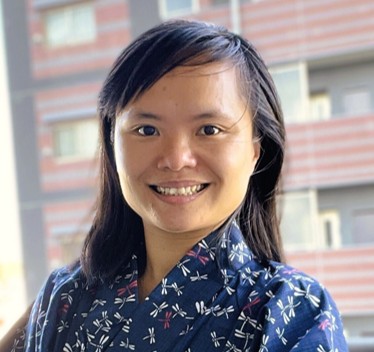
Thao Nguyen-Tran is an analytical chemist and post-doctoral fellow in Dr Steffany Bennett’s Neurolipidomics Laboratory at the University of Ottawa, Canada. As a Silverstein fellow, Thao is validating the therapeutic potential of targeting both GBA1-glucocerebrosidase and GBA1-translycosidase activities to prevent GBA1-PD cognitive decline. She is focused on developing “fit for purpose” mass spectrometry bioassays to monitor both GBA activities necessary to assess cause-direct therapy for GBA-PD.
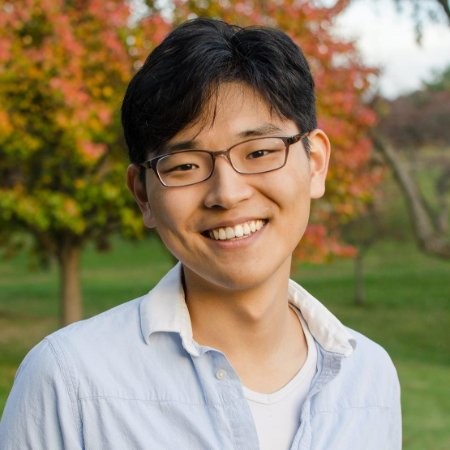
Jonggeol Jeffrey Kim is a postdoctoral fellow at Baylor College of Medicine. He received his PhD in Neuroscience from Queen Mary University of London under the Graduate Partnerships Program of the National Institutes of Health. His research focuses on using large-scale genome sequencing data and deep phenotype data to identify novel genetic and epidemiological risk factors and modifiers of neurodegenerative diseases and their subtypes, including Parkinson’s disease and dementia.

Georgia Minakaki is a postdoctoral fellow in Krainc lab at Northwestern University, Feinberg School of Medicine in Chicago. She obtained her PhD at University Hospital Erlangen in Germany. Her post-doctoral work has focused on GBA1-PD and modifiers of glucerebrosidase (GCase) activity. She has performed a genome-wide CRISPR interference screen that identified COMMD genes and the functionally related CCC/Commander complexes as regulators of GCase activity and general lysosomal function. As a Silverstein Fellow, Georgia will investigate the mechanisms by which COMMD and CCC/Commander complex deficiency impacts GCase and lysosomal function in GBA1-PD.

Zhijun Zhu is a postdoctoral fellow at Stanford University in the laboratory of Prof. Monther Abu-Remaileh. He received his B.S. in Chemistry from Wuhan University, China, and earned his Ph.D. in Analytical Chemistry from the University of Wisconsin–Madison, USA, under the mentorship of Prof. Lingjun Li. His current research focuses on developing mass spectrometry-based lipidomics approaches to investigate lysosomal lipid homeostasis in Parkinson’s disease and related disorders, aiming to identify disease biomarkers and elucidate underlying molecular mechanisms.
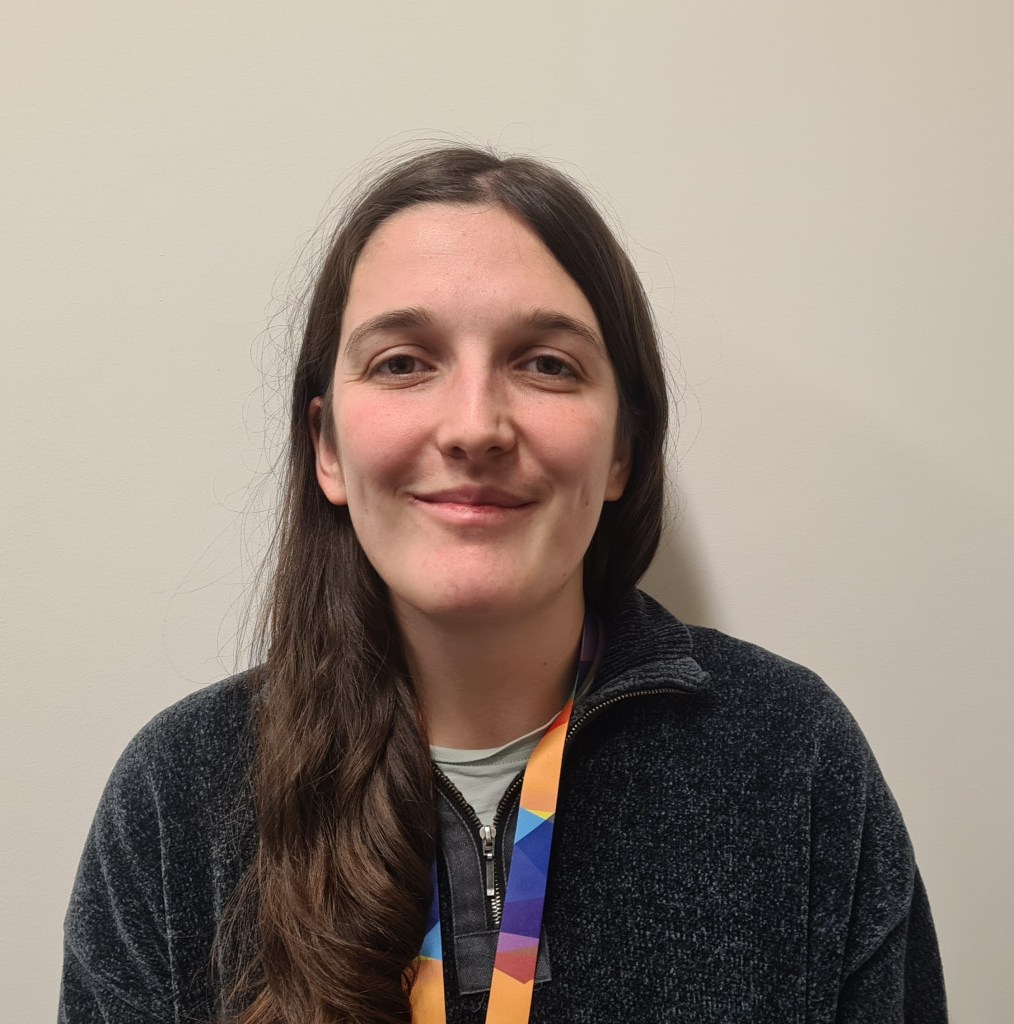
Hannah Clarke gained her bachelor’s degree in Neuroscience at the University of Oxford in 2019 before moving to the Dementia Research Institute at Cardiff University. Here, she completed her PhD under a Wellcome Trust funded Integrative Neuroscience studentship in Dr. Smith’s lab, investigating the genetics of Alzheimer’s disease. In 2024 she joined Professor Gandhi’s research group at University College London for her first postdoctoral appointment, using hiPSCs to model familial Parkinson’s disease (PD). Her fellowship will strive to establish a GBA-PD human neuronal platform from a deeply phenotyped cohort of individuals. Using this platform, she aims to disentangle the complex interaction between GBA mutations, GCase activity, lysosomal lipid metabolism, and α-synuclein misfolding and clearance.
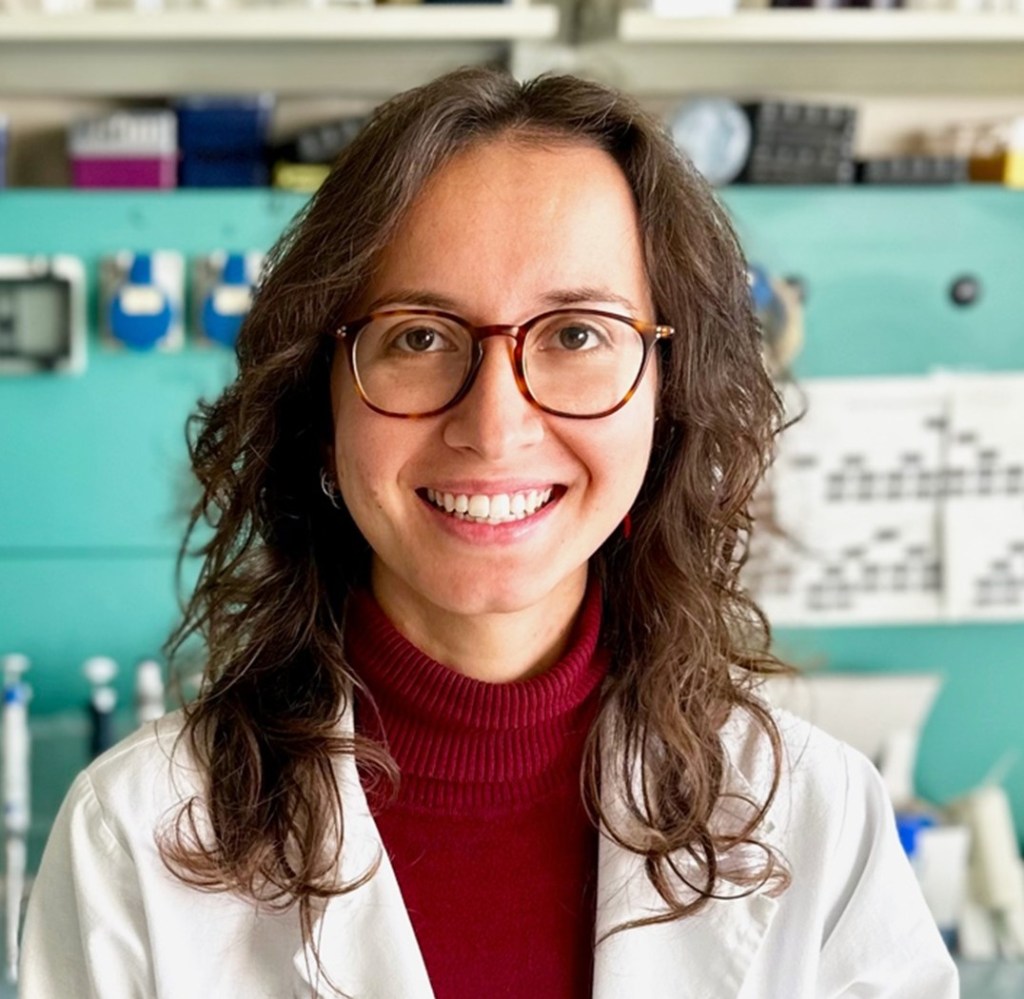
Linda Montavoci has a background in biochemistry and molecular biology, with a particular focus on the role of glycosphingolipids. She was awarded her degree in Pharmaceutical Biotechnology from the University of Milan and is completing her PhD in Translational Medicine. She enriched her academic experience with a six-month research traineeship at the University of Sherbrooke in Canada. As a Silverstein Fellow in the lab of Prof. Frances Platt, in collaboration with Prof. Mina Ryten at the University of Cambridge and Silverstein Fellow Daan van Kruining, Linda will combine her expertise in computational and experimental techniques to investigate the role of glycosphingolipids in GBA-PD.
Noemi Asfogo is a postdoctoral researcher with experience in cellular biology and neurodegenerative disorders. She has master’s degree in medical biology from Sorbonne Université in Paris. Noemi received her PhD in Neuroscience under the supervision of Dr. Olga Corti at the Paris Brain Institute. Her PhD work focused on familiar forms of Parkinson’s disease and more particularly investigating the interaction between alpha-synuclein and mitochondrial dysfunction in neuronal models of Parkinson’s disease. Now, her research is focused on the stratification of GBA variants for personalized therapeutic strategies in the lab of Prof. Jens Schwamborn in Luxembourg.

Daniele Mattei is a postdoctoral fellow in the Raj Lab, at the Nash Family Department of Neuroscience within the Icahn School of Medicine at Mount Sinai Hospital in New York. Daniele earned his PhD in medical neurosciences from Charite University Hospital in Berlin, Germany, where he focused on microglia and monocyte cell biology and neuroinflammation in neuropsychiatric diseases. Daniele’s research aims at characterizing myeloid cell dysfunctions in relation to idiopathic and GBA-mediated Parkinson’s diseases. Leveraging on patient-derived primary myeloid cells, Daniele integrates multi-omics approaches with cellular functional profiling to understand how common and rare Parkinson’s risk variants affect myeloid cells and contribute to the pathophysiology of Parkinson’s diseases, with the goal of finding immune-targeted pharmacological strategies.
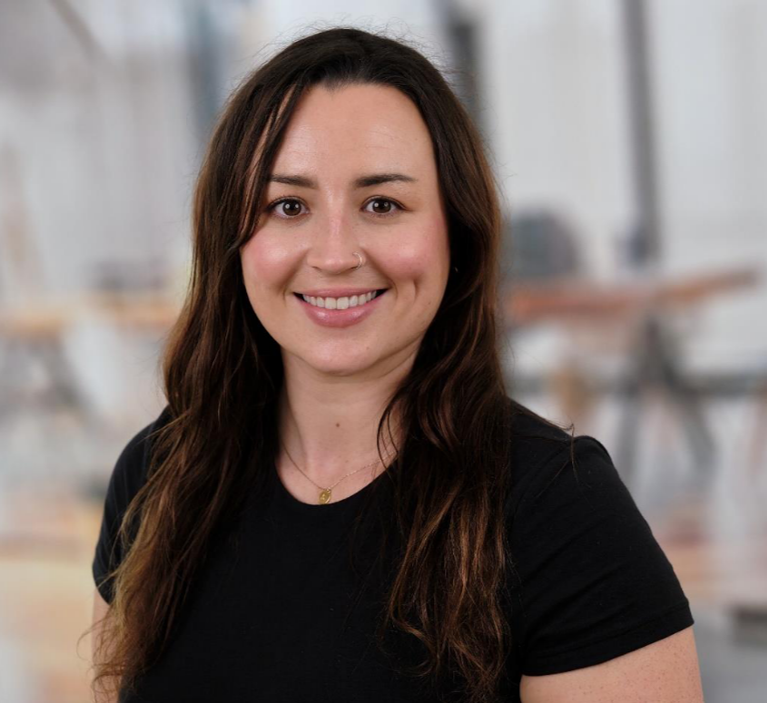
Sinead Greally is a postdoctoral fellow in the Steen Lab at Boston Children’s Hospital, where she researches neurodegenerative diseases with a focus on synucleinopathies. She earned her PhD in Neuroscience from Maastricht University in 2024. She specializes in mass spectrometry-based proteomics to investigate the molecular mechanisms underlying Parkinson’s disease, dementia with Lewy bodies, and multiple system atrophy. Her research explores the proteomic landscape of these disorders, identifying potential therapeutic targets and biomarkers in brain tissues and biofluids to uncover disease-specific signatures and proteome differences, including those associated with GBA-linked Parkinson’s disease. She integrates data from proteomics with cell models to study the functional significance of synuclein aggregation, its impact on cellular dysfunction, and its role in disease progression to identify novel therapeutic strategies.